St. Stephen's United Methodist Church
9203 Braddock Rd. Burke, VA 22015
Church: 703-978-8724 | Preschool: 703-978-9024
  • Home
  • About
    • About Us
    • New Here?
    • Our Pastors & Staff
    • Envisioning a New Leadership Style
    • Church Forms
  • Worship
    • Sanctuary Worship
    • Online Worship
    • Music
    • Media Ministries
    • Livestreams
  • Grow & Serve
    • Get Involved-Make a Difference!
    • Outreach Ministries
    • Prayer Chain
    • Adult Sunday School
    • Food & Clothing Donations
    • Shepherd’s Ministry
    • St. Stephen’s Blood Drive
    • United Women in Faith
    • St. Stephen’s Endowment
  • Children & Youth
    • Opportunities for Children
    • Opportunities for Youth
    • St. Stephen’s Preschool
  • Calendar
    • Journey to Easter – Lent
  • Connect
Give Online

Envisioning a New Leadership Style

Home / Envisioning a New Leadership Style

Simplify Our Structure ➜ Amplify Our Mission

We’re at a threshold moment. In the fall of 2025, St. Stephen’s UMC voted to enter a year of discernment—a time to prayerfully explore whether Simplified Accountability Structure (SAS) is the right path forward for our church. This isn’t a quick decision or a trendy fix. It’s a genuine question: How can we organize ourselves to better serve God’s kingdom?

The heart of SAS is simple: By streamlining how we lead, we free ourselves to focus on what truly matters: discipleship, outreach, and sharing God’s love with our community and the world.

What makes SAS compelling?

  • One Unified Voice – Streamlining our leadership by combining Church Council, Trustees, SPPRC and Finance into one unified Leadership Board.
  • Mission-Driven Focus – Realigning our structure to prioritize our calling, investing our energies most deeply in our commitment to make disciples of Jesus Christ for the transformation of the world.
  • Empowered Ministries – Empowering our ministry teams to spend more time making disciples, mission, and outreach.
  • Agile Action – Activating mission teams to address real-time needs with volunteers who commit to projects on timelines that work for them.

The momentum is building! Members across St. Stephen’s are already experiencing the power of focused, flexible teams—and the results speak for themselves. These early wins show us what’s possible when we empower people to act on their passions and respond to the needs in our community.

Small Teams. Big Transformations.
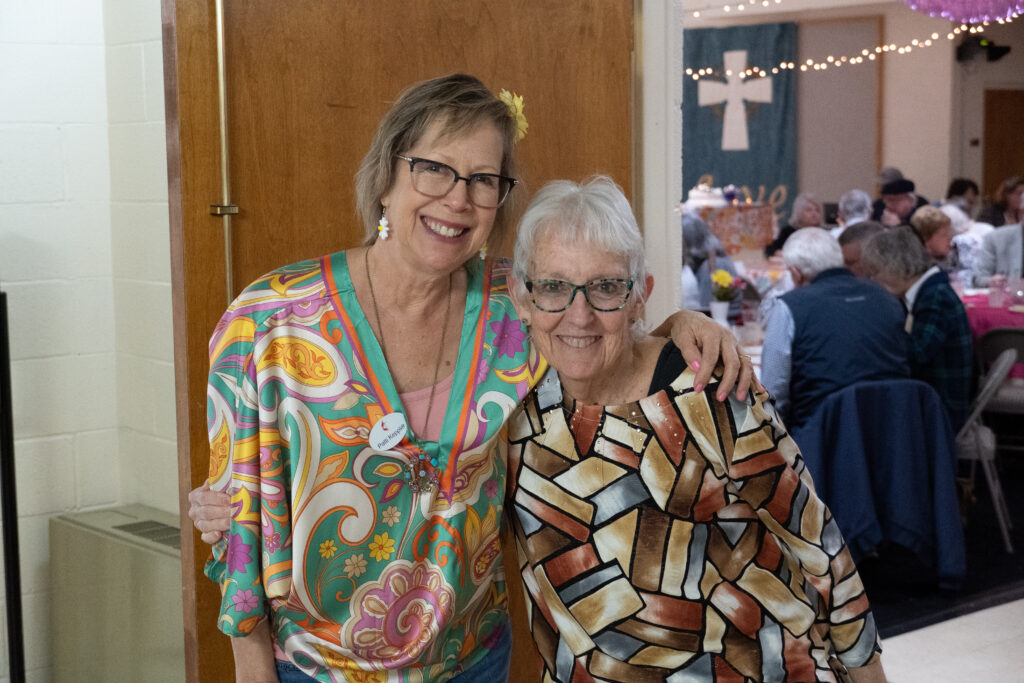
Patti K. saw what a pop-up team could accomplish: “In the lead-up to our 60th anniversary celebration, I envisioned our facility looking its absolute best—a space that truly honors the beautiful investment that our Church friends have made. I dreamed up a plan by talking with a few key people and then coordinated committed volunteers. Together we transformed this building: we cleaned, organized, and prepared so many areas. What we accomplished in such a short time left me humbled. We didn’t just get ready for a celebration; we prepared St. Stephen’s to welcome members and visitors for the next 60 years.”
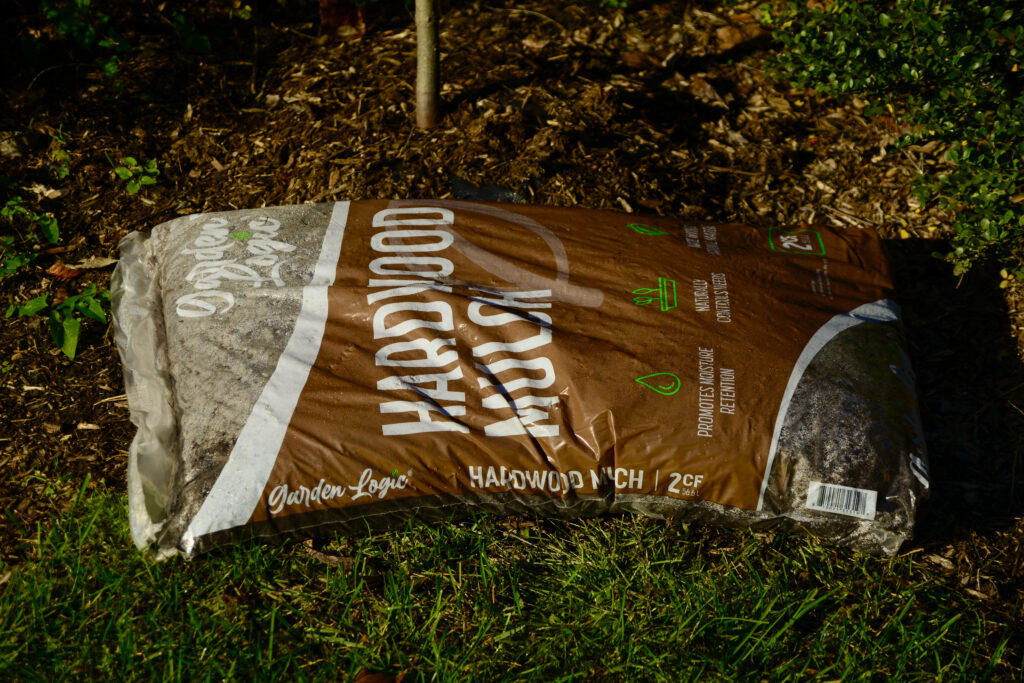
Eric E. rallied a specialized task force when the grounds needed attention: “In spring 2025, we had a straightforward mission—spread mulch across the entire property to refresh our outdoor spaces. Instead of forming a committee or waiting for the right meeting agenda, we assembled a small crew of dedicated volunteers and partnered with local Scouts looking for a service project. We coordinated quickly, showed up ready to work, and transformed the grounds in a single focused effort. It was the perfect example of what happens when you empower people to act: no red tape, no delay—just a team, a task, and results that everyone could see immediately.”

Melissa D. mobilized when crisis struck: “When the federal shutdown hit, we knew families in our community were facing real hardship—weeks without paychecks, stress mounting, basic needs at risk. Our food pantry was already serving people, but this moment demanded more. We quickly assembled a small team and launched a drive-through meal ministry right in our parking lot. Families could grab ready-to-cook dinners on their commute home—no extra stops, no added burden during an already difficult time. Our location became our advantage, and our response became a lifeline. It was ministry in motion, meeting our neighbors exactly where they were.”

These aren’t just stories—they’re a preview of our future. Imagine multiplying these moments of impact across every corner of our mission.

Ready to explore what SAS could mean for St. Stephen’s? Whether you’re curious, skeptical, or already convinced, we’ve gathered resources to help you understand this model from every angle.


Frequently Asked Questions (FAQ)

The Big Picture at St. Stephen’s UMC

In the fall of 2025, the Church Council of St. Stephen’s UMC voted to enter a year of discernment – a time to prayerfully explore whether Simplified Accountability Structure (SAS) is the right path forward for our church. We have entered a season to realign our leadership structure with our mission to Receive, Reflect, and Relay Christ. By streamlining our leadership, our church can focus more on ministry, ensuring we can more effectively respond to the evolving needs of the community.

The SAS model unified our four primary committees (Trustees, Finance, Staff-Pastor-Parish Relations Committee and Church Council) into a single Leadership Board. This team of 9-12 members serves three-year terms, meeting once a month to handle administrative tasks through a holistic, missional lens rather than in separate committees.

In the last edition (2020/2024) of The Book of Discipline, paragraph 247.2 provides the church an opportunity to restructure leadership with approval of the district superintendent.

The idea of improving our organizational structure is not a new one. The pastors and leadership have discussed making governance changes for several years. As we’ve had to adapt during the aftermath of the pandemic, we are now in a place where we’re ready to re-examine our administrative structure as a whole.

We want to focus on what matters most: making disciples for Jesus Christ, for the transformation of the world. Moving to a SAS model will help us move from “maintaining a system” to “engaging in mission,” releasing more people into ministry and revitalizing our church.

A SAS coach is trained to help churches transition from a traditional, committee leadership model to a streamlined Leadership Board model. SAS coaches are certified through programs like those led by Kay Kotan (a primary architect of the SAS model), and guide churches through three distinct phases of the SAS process.


  • Discerning: Helping the church decide if this structure is actually a good fit for their specific context
  • Equipping: Training the new board members on how to lead differently and helping staff adjust to their new authority
  • Implementing: Walking with the church during the first year of the new structure to ensure it doesn’t slide back into old habits.

Many United Methodist churches in the Northern Virginia area, and across the country, have adopted this model. We have reached out to other churches in the area to learn about their discernment process and how they’ve applied the model. The biggest takeaway from our research is that this model is malleable, and each church has molded it to what fits best for them.

This movement has also been heavily supported by the Virginia Conference.


Leadership and Governance

The Leadership Board and pastors work together to guide the overall mission of the church through governance, not management. The SAS model strongly emphasizes transparency and accountability.

Safeguards within the SAS model:

  • Meetings are open to anyone who wants to attend. The Leadership Board holds closed sessions for SPPRC-related matters.
  • The Leadership Board abides by guiding principles and a leadership covenant that that they all sign and commit to uphold.
  • The Nominations and Leadership Development (NALD) Committee is a separate entity within the administrative body that nominates the Leadership Board, which cannot self-nominate its members.
  • A Leadership Board member may only serve on the board for three years.
  • There is a quorum requirement, and voting thresholds prohibit members of the Leadership Board from taking any actions without a consensus.

Many United Methodist churches in the Northern Virginia area, and across the country, have adopted this model. We have reached out to other churches in the area to learn about their discernment process and how they’ve applied the model. The biggest takeaway from our research is that this model is malleable, and each church has molded it to what fits best for them.

This movement has also been heavily supported by the Virginia Conference.

For a Lead Pastor, this usually means trading in the role of administrator-in-chief for the role of visionary leader. The Pastor’s role is primarily the link between the Board’s vision and the congregation’s action. The SAS model allows the Pastor to spend more time on leadership development, preaching, and community outreach.

Actual ministry work, tasks, and daily operations are executed by ministry teams, volunteers, and staff, who are empowered to act without waiting on board approval for every detail.

While we are consolidating our administrative committees (Trustees, Finance, Staff-Pastor-Parish Relations Committee, and Church Council) into a unified Leadership Board, our ministries will continue their work as usual. Under SAS, the “work” moves from committees to Teams. These teams can be continuous or ad hoc, depending on the need. This provides the Leadership Board opportunities to widen the circle of leaders, experience, and expertise.


Ministry and Mission

Ministries will continue, but be organized differently. This will mean less red tape, more “doing,” and higher accountability for results rather than just showing up to meetings. Under SAS, the “work” moves from committees to Ministry Teams.

Under SAS, the way you access money changes from a “permission-seeking” model to an “accountability” model. Instead of going to a Finance Committee for every check, you work within a pre-approved budget and specific guidelines set by the Leadership Board.

The Leadership Board creates a document calling Guiding Principles. This document defines the “boundaries” for spending. There is often a threshold (e.g. $500) where any expense above that amount requires a specific signature from a staff member of the Board Chair, even if it’s in the budget. If you need money for a “Bright Idea” that isn’t in the budget, you must submit a proposal to the Leadership Board. They will evaluate it based on how well it aligns with the church’s current mission and goals.

In our current model, a ministry committee often has to wait for approval from multiples committees before starting a new project. Under SAS, the Leadership Board sets the budget and the “mission boundaries,” and then gets out of the way. This removes the “red tape,” allowing ministries to flourish and respond to needs more freely.

Absolutely – even more so! SAS is designed to shift people away from administrative maintenance and toward active ministry.

SAS frees up the energies of our volunteers to serve in roles that directly impact lives – like mentoring youth, leading small groups, and coordinating community outreach.


Next Steps

While every congregation is different, a healthy discernment period typically lasts between 6-12 months. The goal is not just to change the bylaws, but to ensure the congregation the “why” behind the shift from management to mission. We want to ensure that every member of SSUMC feels informed and included.

No. Your voice remains the primary guide for our future direction.

We have support on all levels. Between our SAS coach, the Nominations and Leadership Development Committee, and our pastors, we’re working hard to ensure that the transition goes smoothly.

We welcome your feedback and we want to hear from you! Please email SAS@ststephensfairfax.org. Our Lay Leadership will reach out ot you to address your specific concerns.


What can I do to help?

Transitions are often met with anxiety. You can be an informed and positive presence for others who are less aware and still concerned.

Use the Additional Resources below to learn more about SAS. Attend our community meetings. Encourage your church circle of friends to do the same so that everyone is informed and feels part of the process. Pray for our transition, for the leadership work on SAS, and for our congregation to feel informed and included.

Gently remind others that the Leadership Board still does the work of Finance, Trustees, and SPPR Committees and the Church Council – they just do it in one room to ensure everything is aligned with the church’s mission.


Additional Resources

  • Start here if you’re new to SAS: Kay Kotan’s 27-minute introduction breaks down the entire concept in clear, accessible terms. It’s perfect for anyone wondering, “What exactly are we talking about?” This is your foundation.
    Watch: Kay Kotan’s SAS Introduction
  • See it in action: Want to know what a Leadership Board meeting actually looks like under SAS? This video walks through real examples of how accountability, decision-making, and mission alignment work in practice—no theory, just reality.
    Watch: Leadership Accountability in Action
  • Go deeper with tools and templates: Blake Bradford has compiled an extensive collection of SAS resources, including downloadable guides, implementation frameworks, and practical materials churches have used to make this transition successfully. Scroll to the bottom of his page for the full toolkit.
    Explore: Blake Bradford’s SAS Resources

This is an invitation to learn, question, and discern together. Take your time. Watch what resonates. Bring your thoughts, concerns, and hopes to the conversation. This decision belongs to all of us.

Find Us

St. Stephen’s United Methodist Church
9203 Braddock Rd.
Burke, VA 22015
(703) 978-8724

RSS St. Stephen's United Methodist Fairfax Sermons
  • "The Body In Motion", Message from Pastor Minoo, February 1 2026
  • "Rescuing the Child", Message from Pastor Minoo, December 28 2025
  • "Advent Love", Message from Pastor Minoo, December 21 2025
Copyright © St. Stephens UMC | Site by Boathouse Web Design